
The Best Daily Habits for Improving Your Posture Without a Gym
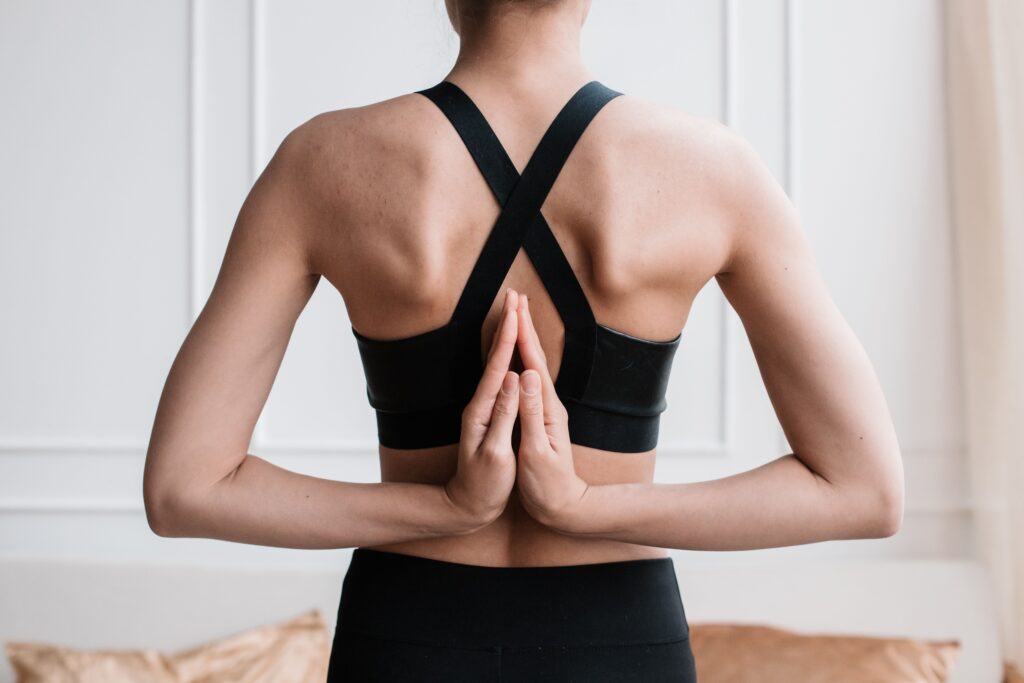
Good posture does not require a gym membership or hours of spare time. For most of us, the biggest difference comes from small, consistent habits woven through an ordinary day. Whether you are at a desk, on a worksite, on the farm or busy with family, the way you sit, stand and move all day shapes how comfortable your body feels. This article shares practical daily habits that help improve your posture, none of which need special equipment, so you can start at home today.
Table of Contents
ToggleTLDR
- Good posture is less about holding one perfect position and more about moving often and supporting your body through the day.
- You do not need a gym or special equipment to improve your posture, just a few consistent daily habits.
- Breaking up long periods of sitting is one of the most helpful things you can do, as prolonged sitting weakens key muscles.
- Setting up your desk, chair and screen well reduces the load on your neck and lower back.
- Simple stretches that gently reverse your usual positions help your body reset after long static periods.
- Sleep support and safe lifting also play a part in how your spine feels each day.
- If discomfort is persistent or affecting daily life, having your posture checked by a chiropractor early is worthwhile.
Why posture matters day to day
Posture is simply how you hold your body while sitting, standing and moving. Across a busy day in Colac and the Otways, whether you are at a desk, carrying children or working outdoors, your posture affects how comfortable and supported you feel. Balanced posture helps spread load evenly through your spine and muscles, which can reduce the everyday aches and fatigue that build up over long days.
The Better Health Channel describes good posture as effortless rather than forced, with the spine holding its natural curves. That is a helpful way to picture it. The aim is ease and balance, not standing rigidly to attention or constantly correcting yourself.
There is no perfect posture
One of the most useful things to understand is that there is no single perfect posture to hold all day. Bodies are built to move, and staying in any one position for too long, even a textbook-straight one, tends to cause stiffness. Current thinking focuses less on a fixed ideal and more on variety and regular movement.
This is reassuring, because it means you do not need to monitor yourself every minute. The Better Health Channel recommends regularly checking in with your body for tension or fatigue, then adjusting your position when you notice it. Small, frequent changes matter far more than one rigid pose.
Daily habits that support posture
With that in mind, here are the everyday habits that make the biggest difference, none of which require a gym. The table gives a quick overview, and the sections that follow add a little more detail.
|
Habit |
What it looks like |
Why it helps |
|
Move often |
Stand or walk for a moment every 30 to 60 minutes |
Prevents stiffness and keeps muscles active |
|
Workspace setup |
Screen at eye level, supported chair, feet flat |
Reduces load on the neck and lower back |
|
Screen and phone habits |
Raise your phone towards eye level |
Eases the forward pull on the neck |
|
Stretch and reset |
Gently move the opposite way to your usual position |
Helps the body recover from static positions |
|
Sleep and lifting |
Supportive pillow, bend at the knees to lift |
Protects the spine during rest and effort |
Move often, break up sitting
Breaking up long periods of sitting is one of the most valuable habits of all. The Better Health Channel notes that sitting for too long weakens the muscles of the legs, glutes, hips and back, and that even regular exercisers are affected if they sit for long stretches. Standing, stretching or walking for a moment every half hour or so keeps those muscles working.
You can build this in without much thought. Take the stairs, walk over to speak with someone rather than messaging, stand while reading, and move around during phone calls. According to the Better Health Channel, these small movements through the day add up and help counter the effects of prolonged sitting.
Set up your workspace well
Whether you work at a desk or spend hours in a vehicle, a few adjustments reduce the load on your spine. The Better Health Channel recommends supporting your lower back, and a well set up workspace keeps your head balanced over your shoulders rather than pushed forward.
- Set the top of your screen at about eye level so your head stays balanced
- Keep your feet flat on the floor with your hips and knees roughly level
- Support your lower back with the chair’s curve or a small rolled towel
- Keep what you use most within easy reach to avoid repeated twisting
Mind your phone and screens
Phones invite us to drop the head forward for long stretches, which increases the load on the neck. Bringing your phone up towards eye level, rather than tilting your head down to it, is a simple change that eases that forward pull, and regular breaks from any screen help as well. If neck pain and stiffness are already part of the picture, reducing sustained forward positions is a sensible place to start.
Reset with simple stretches
After a long stretch in one position, gently moving the opposite way helps your body reset. The Better Health Channel calls this curve reversal: if you have been leaning over a desk, ease back gently the other way. A few unhurried stretches through the day, for the chest, neck and hips, can relieve the tension that builds from static positions.
Sleep and lift with support
Posture matters while you rest and lift, too. A supportive pillow that keeps your neck in line, and a mattress that keeps your spine level when lying on your side, both help you wake feeling better. When lifting, the Better Health Channel recommends keeping your back straight and using your thigh muscles, bending at the knees rather than the waist.
No-equipment movements to try
You do not need weights or machines to give your postural muscles some gentle work. These simple movements use only your body and can be done at home.
- Sit-to-stand: rise from a chair without using your hands, then sit slowly, a few times
- Wall angels: stand with your back to a wall and slide your arms up and down
- Chin tucks: gently draw your chin back to lengthen the back of your neck
- Standing hip hinges: bend forward from the hips with a straight back, then rise
- Doorway chest stretch: rest your forearms on a doorframe and lean gently through
A handful of these across the week is plenty. Consistency matters more than intensity, and none of it requires leaving the house or buying anything.
Building habits that stick
The hardest part of any new habit is remembering to do it. Rather than overhauling everything at once, it helps to attach a posture habit to something you already do. You might stand every time you finish a phone call, stretch while the kettle boils, or take a short walk after lunch.
Because these habits are small and specific, they are easier to keep up than a rigid routine. Over time they become second nature, and your body feels the benefit of regular movement and steady support.
When to have your posture checked
Everyday habits go a long way, though sometimes discomfort is persistent or starts to get in the way of work, sleep or family life. When that happens, it is worth having things checked rather than pushing through, as early attention is often beneficial. A chiropractor can assess how you move, identify any symptoms that require attention, and recommend care suited to you. If help for back pain is what you are looking for, a personalised assessment is the starting point.
How Kinfolk supports your posture
At Kinfolk Chiropractic in Colac, posture is considered as part of the whole person, not in isolation. Care begins with a full history and assessment, including onsite digital X-rays where clinically indicated, so any recommendations are based on how your body actually moves. This is where tailored care for postural concerns can build on the daily habits you are already practising.
The clinic also offers a yoga and recovery space with orthopaedic posture tools, along with HyperVibe platforms, giving you practical ways to support your posture beyond your habits at home. The approach stays warm, individualised and focused on helping local families across Colac and the Otways move and feel better.
Ready to move and feel better?
Better posture really can start with the small, everyday habits in this article, with no gym required. If you would like tailored guidance, or if discomfort is getting in the way of daily life, an initial chiropractic assessment with the team at Kinfolk is a supportive place to begin, so you and your family can keep moving and feeling your best.
This article is intended for general information purposes only and does not constitute medical advice. Please consult a qualified health professional for advice tailored to your individual needs.

